
09 Sep 2026
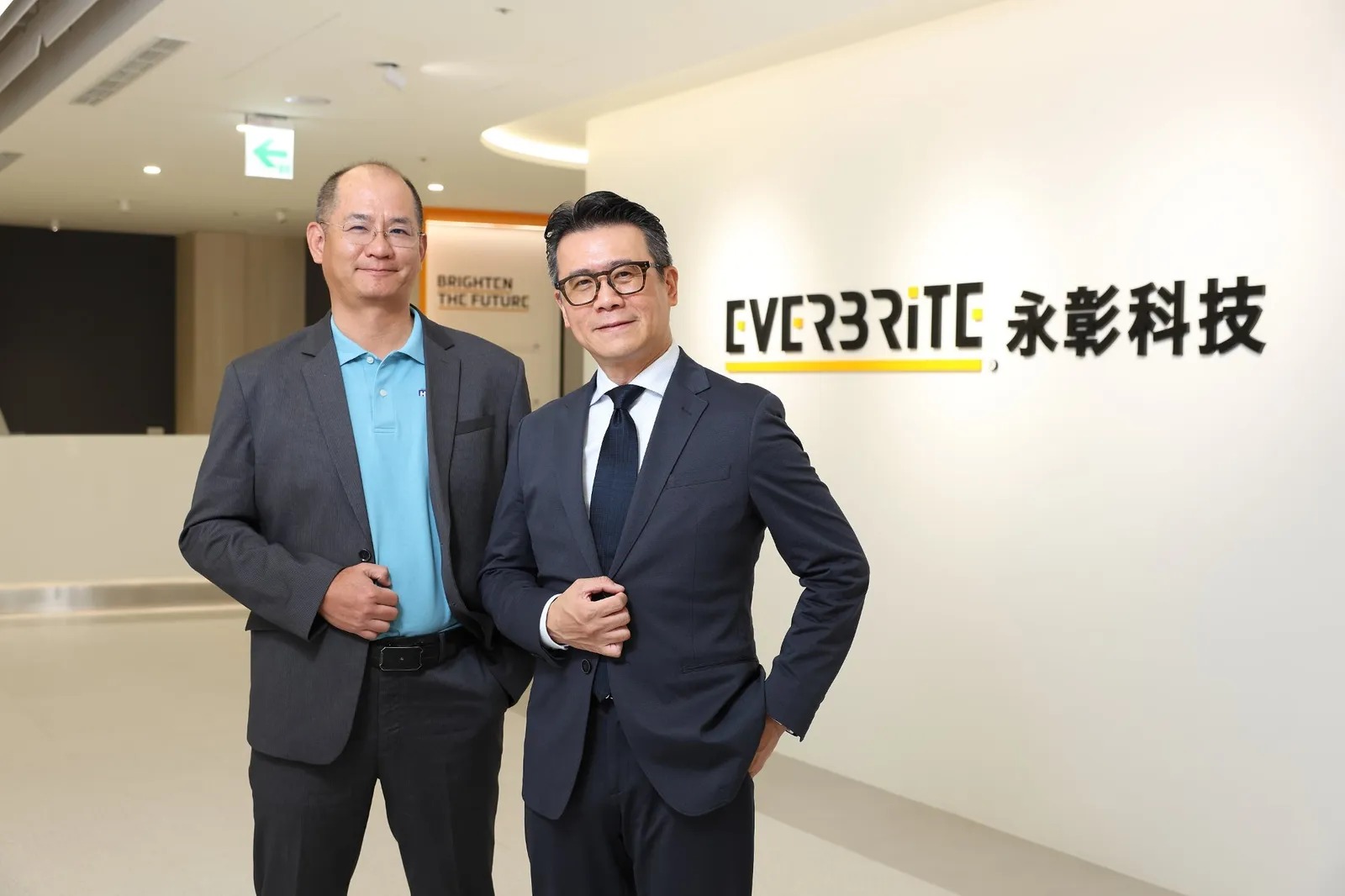
Taiwan's industrial landscape has no shortage of traditional manufacturers and electromechanical engineering companies with decades of history, but few have proactively restructured their business models amid the waves of net-zero and digital transformation. Founded nearly 40 years ago, Everbrite Technology, formerly known as "Yungchang Electromechanical," spent decades in automotive air-conditioning OEM and VCB power switches, building deep expertise in electromechanical systems, power equipment and manufacturing. Facing long-term trends such as the energy transition, net-zero emissions and AI automation, Everbrite chose not to cling to its existing contract manufacturing business. Instead, building on its core strengths, it officially changed its name from "Yungchang Electromechanical" to "Everbrite Technology"—not just a new name, but a comprehensive reshaping of the company's positioning, business model and direction.Today, Everbrite focuses on "net-zero technology" through three core businesses: power systems, electromechanical engineering and unmanned intelligence. Power systems build on VCB vacuum circuit breakers and extend into smart switchboards and medium- and high-voltage power systems, strengthening grid resilience and efficiency. Electromechanical engineering combines smart buildings with turnkey electromechanical contracting to meet the high-tech industry's green building and ESG needs. Unmanned intelligence targets smart, automated robotics applications and smart retail in response to declining birthrates and the sustainability wave. These three pillars have expanded the business from single-line manufacturing into large public works, high-tech plant construction and power system upgrades, while driving a comprehensive upgrade of revenue structure, core technology and talent density, opening up an entirely new track for Everbrite that combines technical depth with growth momentum."How do I play the cards I already hold well? That was my mission when I first came here," says Po-Ching Lin, President of Everbrite Technology. After more than three years of adjustment, traditional OEM contract manufacturing now accounts for less than about 20% of total revenue, with the remaining 80% or so coming from non-OEM businesses such as proprietary products, systems engineering and equipment distribution. He stresses that transformation is not just about changing products; it is a complete transformation of revenue structure, business model, core capabilities and talent structure.However, running multiple business lines in parallel while integrating subsidiaries also brings the management complexity of coordinating across units and multiple project sites at once. To address this, Everbrite Technology partnered with professional system integrator Meanhung Technology to launch an IT infrastructure upgrade, laying a solid digital foundation for its group expansion.Growth Hits an IT Bottleneck: Digitalization Drives Group Transformation
As Everbrite Technology expanded from a single manufacturer into engineering contracting, smart buildings and energy solutions, the growing number of business units and subsidiaries put back-end management systems under severe strain. Different business models have very different requirements for procurement, project progress, cost control and supply chain management, and the traditionally fragmented IT architecture became a hidden obstacle to cross-unit collaboration."As a TPEx-listed company, Everbrite must make sure regulatory compliance, internal controls, cybersecurity and ESG standards are airtight as it expands," Lin admits. In the past, many traditional companies invested relatively little in the completeness and professionalism of their IT infrastructure, but as a company moves to multi-track operations, its systems must evolve in step with its business model. He emphasizes: "Governance and security as the baseline, digitalization to support transformation, and system integration to support group expansion."

To drive vertical deepening and horizontal integration across the business, connecting power systems, electromechanical engineering and unmanned intelligence to realize the group synergy of "ONE EVERBRITE," Everbrite brought in Meanhung Technology as its professional partner to map data flows and management gaps between the parent company and its subsidiaries, draw up a phased digital transformation blueprint, and break down information silos so its system architecture can support multi-track expansion.From VMware to PVE: Planning the Transformation Blueprint with Meanhung
With the blueprint in place, modernizing the virtualization platform became the top priority. Facing rising costs and architectural challenges from recent changes to VMware's licensing policy, Everbrite Technology, with Meanhung Technology leading the project and support from Changhsin Technology Consulting, successfully migrated its core virtualization environment to the open-source Proxmox VE (PVE) architecture.The new architecture integrates high availability (HA), high-performance cluster computing and centralized backup, not only significantly lowering the total cost of ownership (TCO) of software but also providing a highly flexible, self-controlled environment for multiple core business systems."Over the past few years, we have systematically reviewed our IT architecture. Upgrading from VMware to a Proxmox environment was about giving Everbrite solid, worry-free system support as our front-line business forges ahead," says Lin. Everbrite is advancing its IT upgrade in phases: the first phase shores up the operational foundation and meets regulatory requirements; the second comprehensively strengthens system stability, security, manageability and resilience.He notes that all of this depends on Everbrite's skilled IT team working side by side with professional partners. Meanhung Technology, for example, did more than implement products; it was deeply involved from early assessment to go-live, playing a key role in making the architecture upgrade seamless.
RPA Software Robots Streamline Administration and Free Up Staff
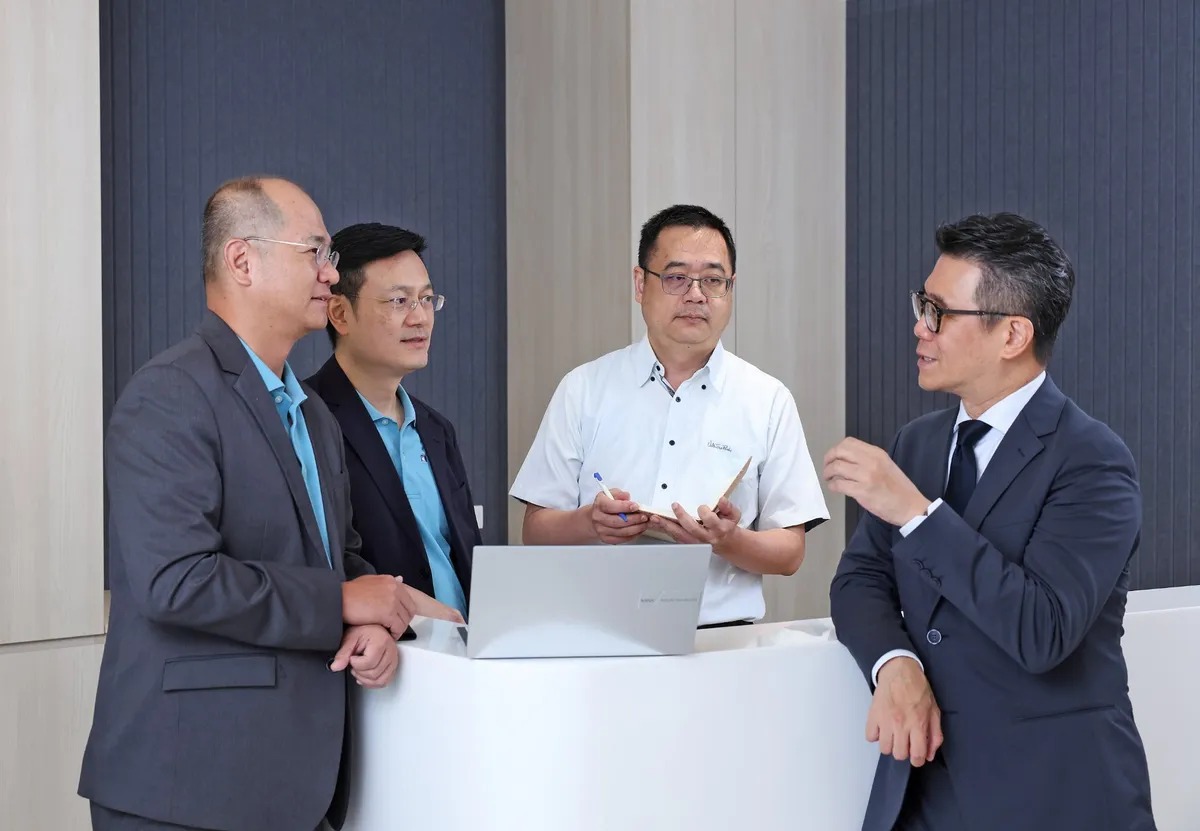
Beyond the infrastructure upgrade, operational process automation is also key to improving management efficiency. The electromechanical engineering business in particular involves large volumes of cross-system accounting, materials reconciliation and report consolidation. In the past, at every month-end close, finance staff had to pull data from the ERP system to build monthly management reports, spending many hours compiling them by hand in Excel."Every month I saw our finance colleagues spending a lot of time on the monthly management reports. On one hand, I felt they were working really hard; on the other, I always had a concern: as long as we relied heavily on manual work and Excel, it would be hard to fully avoid input errors, formula errors or version control issues, and subsequent checks and reviews were relatively difficult." Lin stresses that digital transformation should start with processes that are critical, highly repetitive and prone to human error. So, with Meanhung Technology's referral and vendor support, Everbrite deployed the "EMILY.RPA" software robot from Bailin Business Intelligence, fully automating its monthly report production."For me, the greatest value of RPA isn't just 'how much manpower it saves,' but having the right things done consistently and repeatedly by the system," he says. "When management reports become more timely and accurate, and easier to track and review, not only are finance colleagues freed from heavy repetitive work, but management can also make decisions with greater confidence. Once EMILY.RPA was truly in place, the weight that had been on my mind for so long could finally be lifted."Looking back on this upgrade journey from the underlying architecture to process automation, Lin identifies three keys: first, "respect and support expertise," letting professionals do their best work rather than sacrificing long-term infrastructure for short-term savings; second, "management must understand deeply," as company leaders need to grasp the problems and risks that system planning is meant to solve in order to make the right calls at critical moments; and third, "choose the right external partners." This project benefited from Meanhung Technology, Changhsin Technology Consulting and the EMILY.RPA vendor working side by side to tackle problems together and make the systems truly work."What's truly difficult about digital transformation has never been just the technology; it's bringing together the right technology, the right people and the right management decisions," Lin concludes. Looking ahead, Everbrite Technology will continue working with Meanhung Technology to deepen its core systems and explore ways to integrate enterprise AI with existing processes, building on a solid digital foundation to unlock the next wave of growth in group expansion and internationalization.#MeanhungTechnology #EverbriteTechnology #DigitalTransformation #NetZeroTech #BusinessTransformation #ITInfrastructure #SystemIntegration #ProxmoxVE #PVE #VMwareAlternative #VirtualizationPlatform #HighAvailability #EnterpriseSecurity #RPA #ProcessAutomation #EMILYRPA #SmartManufacturing #ElectromechanicalEngineering #ESG #BusinessUpgradeSource: ©Manager Today
Categories: Blog
